News
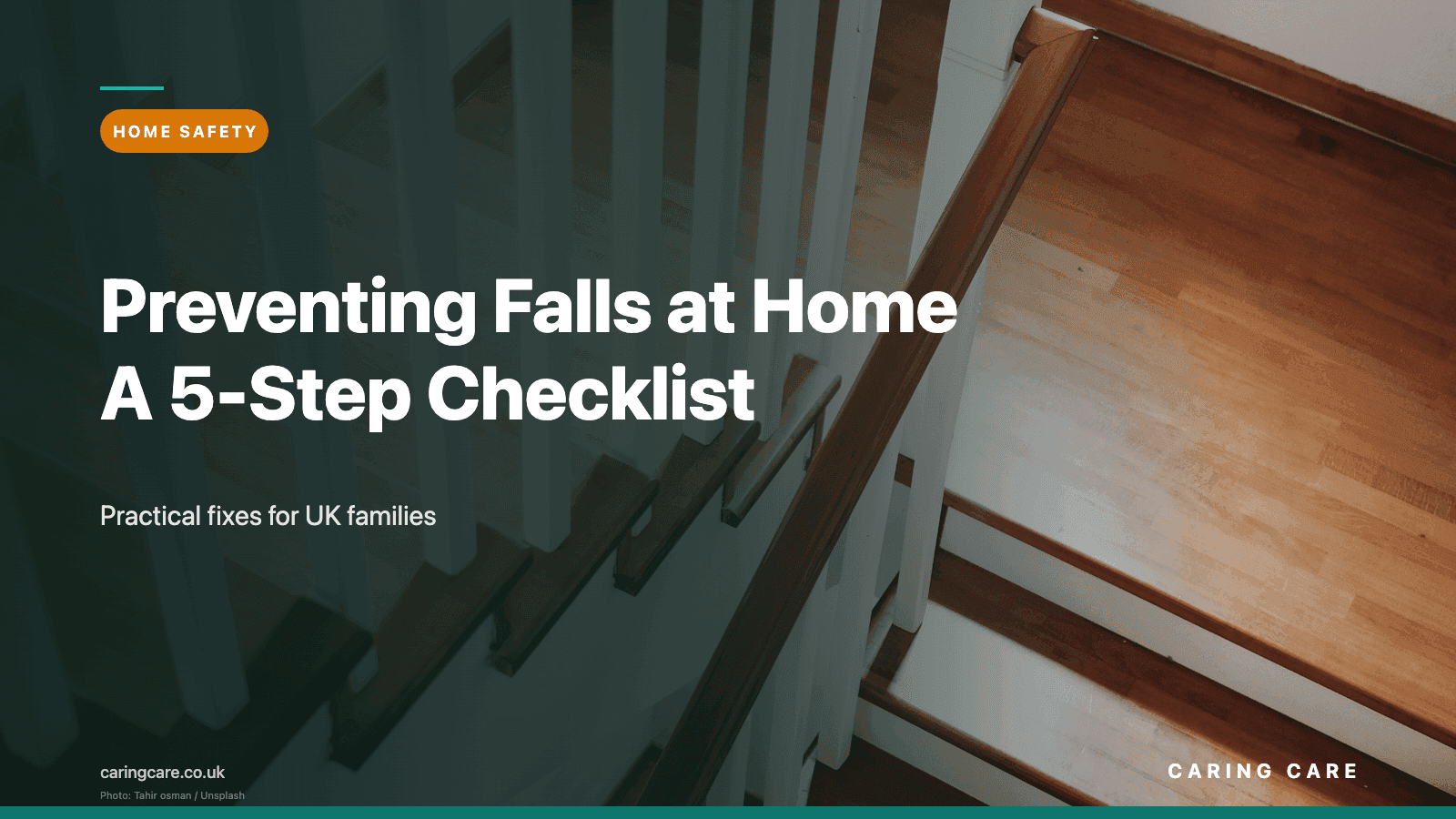
Preventing Falls at Home: A 5-Step Checklist for UK Families
As our loved ones get older, keeping them independent and safe at home becomes a priority. Familiar surroundings bring comfort and a real sense of control. But small everyday hazards (a loose rug, dim hallway lighting, a pair of worn-out slippers) can quickly turn a much-loved home into a risky one.
Falls are the single most common cause of emergency hospital admissions for older adults in the UK, according to the NHS. Around one in three adults aged 65 and over, and half of those aged 80 and over, have at least one fall each year. And it isn't just the physical injury. A fall often knocks confidence hard, leaving people anxious about moving around on their own.
The good news is that most falls at home are preventable. A handful of practical changes cuts the risk sharply and makes the whole house feel calmer and safer.
Here's a 5-step checklist for UK families to work through this month.
1. Clear walkways and tackle hidden trip hazards
Living rooms, corridors and hallways collect stuff over time. Older adults often adapt by changing how they walk around it, which quietly makes them less stable rather than more.
Remove decorative rugs. Loose mats and rugs are one of the biggest causes of trips at home. If a rug has to stay, fix it firmly to the floor with proper non-slip grippers underneath.
Keep the main walkways clear. Watch for trailing extension leads, newspapers, shoes, and pet toys near doorways or at the foot of the stairs.
Check thresholds and floor transitions. The strip between the carpet and the kitchen tiles, or between two rooms with different flooring, is a classic trip point. Make sure the strip is flush, firmly fixed, and visible.
2. Brighten up the key spaces
Older eyes need more light to see clearly and judge distances. Poor lighting makes it hard to spot subtle level changes, low furniture, or something on the floor.
Upgrade the bulbs. Stairwells, hallways, entryways and bathrooms should be properly bright. Swap dim, warm bulbs for higher-wattage LEDs that light up the corners as well as the middle of the room.
Install motion-sensor night lights. A lot of falls happen on the way to the bathroom at night, when someone doesn't want to wake anyone else and walks in the dark. Plug-in motion lights in the corridor and near the bedroom fix that instantly, cheaply.
Make sure light switches are within easy reach. They should be right by room entrances and on the bedside table, so nobody ever has to cross a dark space to turn on a lamp.
3. Make the bathroom safe
The bathroom is one of the most hazardous rooms in any UK home. Hard fixtures, wet surfaces, small space. A few simple changes make an enormous difference.
Fit proper grab rails. Have sturdy grab bars fitted beside the toilet and inside the shower or bath. Towel rails, toilet paper holders and basin edges are not built to take weight, so please don't rely on them.
Use non-slip rubber mats. Suction mats inside the bath or shower tray, plus an absorbent non-slip mat outside the shower to catch water, sort out most of the slip risk at once.
Bring in adaptive equipment where needed. A specialist shower chair or a raised toilet seat can restore confidence overnight for someone with joint pain or balance issues.
4. Look at footwear and clothing
What your loved one is wearing around the house has more to do with their stability than most families realise. Poorly fitting shoes or clothes that trail on the floor are easy to overlook.
Retire the backless slippers. Slip-ons with no heel support are one of the most common home hazards. They catch on carpet edges and stairs.
Move to supportive non-slip shoes. Structured slippers or indoor shoes with firm rubber soles, arch support, and simple velcro fastenings keep the foot properly secure.
Hem trailing clothing. Long trousers, dressing gowns and pyjamas that drag on the floor become a tripping hazard the moment someone stands up or turns around. Get them shortened.
5. Store the everyday things within easy reach
Reaching up to top cupboards or bending down to floor-level ones can trigger sudden dizziness or a loss of balance.
Rearrange the storage. Kitchen, bedroom and living room cupboards should hold the everyday items (tea bags, plates, medication, books) at waist or chest height.
Take away the temptation to climb. Discourage using chairs, stools or wobbly step-ladders to reach top shelves. Everything essential should be within a comfortable standing reach.
Keep a phone or call pendant close. A mobile, a landline handset, or a proper personal call pendant should be within reach at all times in case help is needed.
How Caring Care helps with safety and independence at home
Even after all these changes are made, families still worry when a loved one is on their own. Peace of mind often comes from knowing that professional, warm support is there when it matters.
Our carers across the West Midlands help clients with safe mobility, personal care routines and daily household tasks. Whether the situation is short-term help after a hospital stay, structured respite for a family carer, or regular visiting home care, our plans put safety and independence first.
If you're worried about a loved one's safety or mobility at home, have a friendly chat with the team at Caring Care. No pressure, just an honest conversation about what might help.
Caring Care | Trust. Professionalism. Compassion. Visit caringcare.co.uk · Email info@caringcare.co.uk · Call 0330 056 3111
News
Our Latest News

Stroke recovery at home in the West Midlands: how Early Supported Discharge works, funding, and how good home care supports rehabilitation.

End-of-life care at home in the West Midlands: Fast Track NHS CHC funding, hospice-at-home services, what to expect in the last weeks, and bereavement support.