Palliative Home Care Across West Midlands & Staffordshire
Palliative care at home is compassionate support for people living with a life-limiting illness, focused on comfort, dignity and quality of life. Our carers provide the day-to-day personal care and reassurance that lets someone stay in their own home, working alongside district nurses, GPs and hospice teams who lead on clinical care. Caring Care provides palliative care across Walsall, Birmingham, Wolverhampton, Dudley, Sandwell and Staffordshire.
Get a Free Care AssessmentWHAT WE PROVIDE
What Does Palliative Care at Home Include?
Care is shaped by the wishes of the person and their family, and reviewed often as needs change. Support can start with a few visits and increase to overnight or round-the-clock care.
Personal Care
Gentle help with washing, dressing, toileting and continence care, at the person's own pace.
Comfort and Positioning
Help with moving, repositioning and pressure care to keep the person comfortable.
Medication Support
Prompting and administering medication as prescribed, and working with nurses who manage specialist medicines.
Working With Health Teams
Close communication with district nurses, GPs, Marie Curie and local hospice teams.
Emotional Support
A calm, familiar presence for the person and reassurance for those close to them.
Meals and Hydration
Small, appetising meals and drinks, and help with eating where needed.
Overnight Support
Carers through the night so families can rest knowing someone is there.
Family Respite
Time for relatives to rest, sleep and spend time together as a family.
Respecting Wishes
Care that follows the person's advance care plan, beliefs and preferences.
Who Is Palliative Care For?
Palliative care is for anyone with a serious, life-limiting illness who wants to be cared for at home, and for the family supporting them.
- ✓People living with advanced cancer, heart failure, COPD or organ failure
- ✓Those with advanced dementia, Parkinson's or motor neurone disease
- ✓People who want to remain at home at the end of life
- ✓Anyone discharged from hospital or a hospice to be cared for at home
- ✓Families who need practical help and rest while caring for a loved one
- ✓People who qualify for NHS Continuing Healthcare Fast Track funding
WHERE WE WORK
Palliative Care Across West Midlands & Staffordshire
We provide palliative care throughout the West Midlands and Staffordshire. Select your area for local information, team details and the services available near you.
Why Choose Caring Care for Palliative Care?
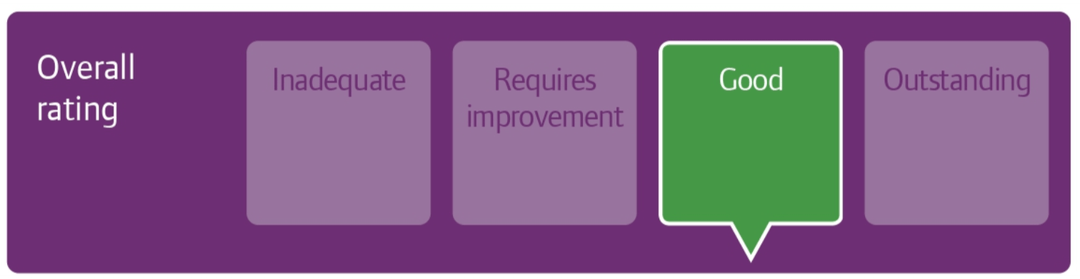
Rated Good by the CQC
Our services are regulated and inspected by the Care Quality Commission, and our most recent inspection rated us Good. You can read our reports on the CQC website.
Directly Employed Carers
We employ all our carers directly, never agency workers. That means consistent faces, thorough training and full accountability for your care.
Flexible Weekly Care
Care is arranged around your week and adjusted as your needs change. Add visits, reduce them or change the times, with a straightforward notice period rather than a long tie-in.
Over 1 Million Visits Per Year
Our experienced team delivers more than one million care visits a year across the West Midlands, supporting hundreds of families.
NHS and Local Authority Approved
We hold over 16 contracts with local authorities and NHS trusts across the West Midlands, a mark of the confidence health commissioners place in us.
Free Care Assessment
We start with a no-obligation home visit to understand your needs and build a care plan around your routine, preferences and health requirements.
How to Arrange Palliative Care
Contact us
Call us or complete the contact form. We arrange a free home visit at a time that suits you.
Care assessment
A member of our team meets you at home to understand your needs, preferences and daily routine.
Care plan agreed
We build a personalised care plan and agree the schedule, visit length and any specialist requirements.
Care begins
You are introduced to your carers and care starts, usually within 24 to 48 hours of your assessment.
COMMON QUESTIONS
Frequently Asked Questions about Palliative Care
Is palliative care the same as end-of-life care?
No. Palliative care can start years before the end of life and is for anyone with a life-limiting illness. End-of-life care is the last 6 to 12 months specifically. Palliative care in that final period becomes end-of-life care.
Is palliative care at home free?
The NHS specialist palliative nursing (community nurses, Marie Curie, hospice-at-home) is free at the point of use. If NHS Continuing Healthcare Fast Track applies, the whole package is free. Otherwise, personal care visits from a home care provider are either council-funded, means-tested, or self-funded.
Which hospices cover the West Midlands?
Compton Care (Wolverhampton), St Giles Hospice (Walsall and Lichfield), Mary Stevens Hospice (Dudley), John Taylor Hospice (Erdington and Birmingham), and Marie Curie across the region. Referrals come from GPs, hospital teams and sometimes directly from families.
Can someone receiving palliative care still have hospital treatment?
Yes. Palliative care sits alongside treatment. Many people receive chemotherapy, radiotherapy or new medications while also receiving palliative care to manage side effects and quality of life.
When should we start thinking about palliative care?
Earlier than most families do. The evidence is clear that palliative care started sooner leads to better symptom control, better quality of life and often longer life expectancy. If someone has been given a life-limiting diagnosis, it's worth asking about palliative support from that conversation onwards.
Is palliative care regulated by the CQC?
Yes. Our palliative care is regulated and inspected by the Care Quality Commission, and our most recent inspection rated us Good in all areas of the inspection. All carers are directly employed, fully trained and DBS-checked.
HELPFUL READING

GET IN TOUCH
Caring Care
Units 4 & 5, Hatherton Court,22 Hatherton Street, Walsall, WS4 2LA
Tel: 0330 056 3111
Email: info@caringcare.co.uk


Copyright ©️ 2024 Caring Care LTD. All Rights Reserved.