News
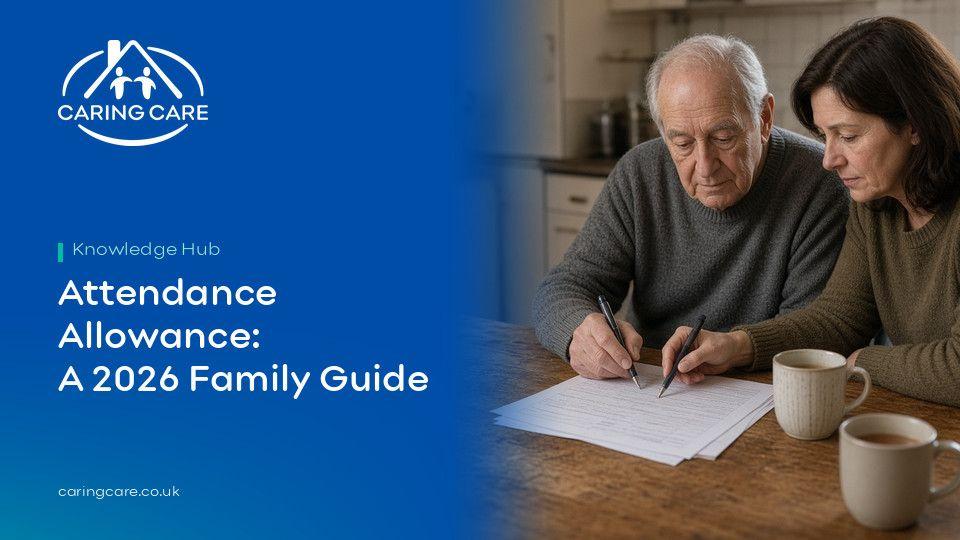
Attendance Allowance: A 2026 Family Guide
Attendance Allowance is a weekly benefit for people who have reached State Pension age and need help looking after themselves, or someone to supervise them, because of a disability or health condition. You don't need to have a carer already. The money can be spent on whatever helps, including personal care at home.
This guide covers Attendance Allowance in Wolverhampton, Walsall, Birmingham, Dudley, Sandwell and Staffordshire: who qualifies, the 2026 to 2027 rates, how to claim, what happens in a care home, and how the benefit sits alongside council funding and NHS Continuing Healthcare.
The short answer
Attendance Allowance isn't means tested, so savings and income don't affect the claim. For 2026 to 2027, GOV.UK sets two weekly rates: £76.70 for frequent help or supervision during the day, or supervision at night, and £114.60 for help throughout both day and night, or if a clinician says the person may be nearing the end of life. Apply online or by post.
What is Attendance Allowance?
The Department for Work and Pensions (DWP) pays Attendance Allowance to help with the extra costs of personal support. GOV.UK sets two rates, based on the level of help needed, not on income. Age UK describes the payments as not taxable.
Unlike Personal Independence Payment (PIP) for people under State Pension age, it has no mobility component. The money is paid into a bank, building society or credit union account.
Families can put it towards regular home care visits or respite, but it does not have to be spent on a care agency. If daily tasks are getting harder, see our guide to signs an older parent may need home care.
Is Attendance Allowance means tested?
No. According to GOV.UK, Attendance Allowance isn't means tested. Earnings and savings will not affect whether someone can claim, or which rate they get. Claiming can also lead to extra Pension Credit, Housing Benefit or Council Tax Reduction. Check with the office that deals with those benefits.
This is different from council help with care costs, which is means tested in England.
Attendance Allowance rates in 2026 to 2027
GOV.UK published these 2026 to 2027 rates, checked on 20 November 2026:
| Rate | Weekly amount | Level of help needed |
|---|---|---|
| Lower rate | £76.70 | Frequent help or constant supervision during the day, or supervision at night |
| Higher rate | £114.60 | Help or supervision throughout both day and night, or a medical professional has said the person may be nearing the end of life |
The official figures are weekly. If needs change, you must report a change of circumstances, and the rate may change. If someone already gets the lower rate and a clinician later says they may have 12 months or less to live, contact the helpline straight away.
Who qualifies for Attendance Allowance?
Someone can claim if they have reached State Pension age and all of the following apply, as set out by GOV.UK:
- They have a physical disability (including a sensory disability such as blindness), a mental disability (including learning difficulties), or a health condition.
- That condition is severe enough that they need help caring for themselves, or someone to supervise them, for their own or someone else's safety.
- They have needed that help for at least 6 months, unless they are claiming under the special rules for end of life.
They must also usually be in Great Britain when they claim, have been there for at least 2 of the last 3 years, and be habitually resident. GOV.UK lists a small number of exceptions.
They cannot get Attendance Allowance if they already get Disability Living Allowance (DLA), Personal Independence Payment (PIP), Adult Disability Payment, Scottish Adult Disability Living Allowance or Armed Forces Independence Payment.
There is no official list of qualifying diagnoses. Circulating lists of "56 conditions" are not a DWP rule. What matters is the help needed: washing, dressing, meals, medication, getting in and out of a chair, or being watched so they don't come to harm. Dementia, Parkinson's, a stroke or arthritis may be relevant if they create those needs.
If the person lives in Scotland, they need to apply for Pension Age Disability Payment instead. This guide is for families in England, on our West Midlands patch.
How to claim Attendance Allowance
You can apply online or by post. You will need a National Insurance number, contact details, the disability or health condition, the GP surgery, and details of any stay in a care home, hospital or hospice.
To apply by post, print the claim form or call the Attendance Allowance helpline on 0800 731 0122, Monday to Friday, 8am to 6pm. Send the completed form to Freepost DWP Attendance Allowance. Write only that address on the envelope, with no postcode or stamp.
The start date matters:
- If you apply online, the claim starts on the date you submit it.
- If you print and post the form, it starts on the date the DWP receives it.
- If you call the helpline to request a form and return it within 6 weeks, the claim can start on the date of that call.
After you apply, you should get a text or letter within 3 weeks explaining when to expect a decision. If you disagree, you can ask for a mandatory reconsideration.
Write about the difficult days, how long tasks take, and the prompting or watching needed, not only the diagnosis. Age UK can help with the form on 0800 678 1602.
Claiming under the special rules for end of life
If a doctor or other medical professional has said the person might have 12 months or less to live, you can claim under the special rules for end of life. The person can get the higher rate of £114.60 a week, with no 6-month wait and no face-to-face assessment. See the GOV.UK claiming at the end of life page.
Ask a medical professional for form SR1. If the SR1 is not ready, send the claim anyway and follow up with the form. Someone else can make this claim without the person's permission. The award letter will not mention special rules. Our guides to palliative care at home and end of life care at home cover this stage.
Can you claim Attendance Allowance in a care home?
According to GOV.UK, you cannot usually get Attendance Allowance if you live in a care home and the local authority pays for that care. You can still claim if you pay for all of the care home costs yourself.
This restriction is about a council-funded care home place. It does not stop someone who still lives at home from claiming, even if they already have regular visits or live-in care. Report a hospital stay, a move into a care home, or any other change of circumstances to the DWP.
How Attendance Allowance sits with council funding and NHS CHC
It is a weekly benefit, not a full care budget. In England, the upper capital limit for council help with care remains £23,250 for 2026 to 2027, as set out in the government's social care charging circular. People with capital above that amount usually pay for their own care, though they can still ask the council for a Care Act needs assessment.
If the council later funds part of a package at home, Attendance Allowance is usually counted as income in the financial assessment. You can ask the council to take disability-related spending into account, and ask in writing which of those costs it has allowed.
NHS Continuing Healthcare is a different route, and it isn't means tested. If someone's main need is a health need, the NHS may fund the whole care package. Our NHS Continuing Healthcare guide for West Midlands families explains the checklist, Fast Track and appeals. Funding questions also come up after a hospital stay. See our hospital discharge home care guide and our cost of home care in Walsall guide.
Who to speak to in the West Midlands
Start with the DWP about the claim, and with the local council about a care assessment or charges.
- The Attendance Allowance helpline on 0800 731 0122, Monday to Friday, 8am to 6pm, for forms and changes of circumstances.
- Age UK and Citizens Advice in Walsall, Wolverhampton, Birmingham, Dudley, Sandwell and Staffordshire, for help with the form or a mandatory reconsideration.
- Adult social care at the relevant council, for a Care Act needs and financial assessment.
- The GP, district nurse or specialist, if you need an SR1 form for a special rules claim.
How Caring Care supports families arranging care at home
We provide care at home. We don't decide Attendance Allowance claims; the DWP does. What we try to make different:
- Small area teams from our Walsall and Wolverhampton offices, so the same one or two carers get to know your mum or dad.
- Clear daily notes that show what care actually involves, which families can use when they fill in the claim form.
- Personal care, planned visits, live-in care, respite and support after a hospital discharge.
- An honest conversation about what a safe week at home looks like, and when to ask the DWP or the council to look again.
We don't publish a price list, because two families in the same street can need very different care. Every family gets a written quote after a free care assessment.
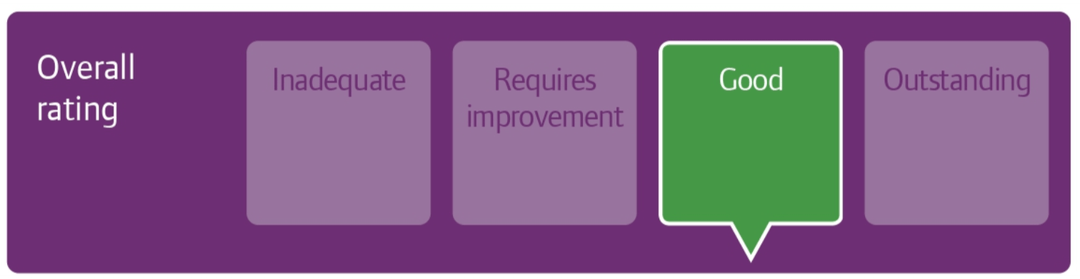
We've supported families across the West Midlands since 2008 and we're CQC-rated. To talk through care at home, call us on 0330 056 3111 or visit our Walsall home care page or Wolverhampton home care page and ask for a free care assessment.
Frequently asked questions
Is Attendance Allowance means tested? No. Savings and income don't affect whether someone can claim, or which rate they get. Claiming can also lead to extra Pension Credit, Housing Benefit or Council Tax Reduction.
Is Attendance Allowance taxable? According to Age UK, the money isn't taxable. Income and savings don't affect the claim.
What medical conditions qualify for Attendance Allowance? No condition qualifies on its own, and there is no official list of diagnoses. The DWP looks at the help or supervision someone needs, not the name of the condition.
Can you get Attendance Allowance and PIP at the same time? No. If someone already gets PIP, DLA or certain other disability payments, they cannot also get Attendance Allowance. Someone who has reached State Pension age without those benefits can claim Attendance Allowance instead.
Can Attendance Allowance be backdated? Usually it starts from the date of the claim. Online claims start when you submit, and posted forms start when the DWP receives them. If you call the helpline for a form and return it within 6 weeks, it can start from the date of that call.
Do you need to have a carer already? No. GOV.UK is clear that you do not have to have someone caring for you in order to claim. A family member who provides a lot of care can look at Carer's Allowance, which is a separate benefit.
What if the DWP says no? You can ask for a mandatory reconsideration. The decision letter explains how and by when. Age UK or Citizens Advice can help with that too.
Useful external resources
News
Our Latest News
NHS Continuing Healthcare explained: the CHC checklist, which needs qualify, Fast Track, care at home, reviews and appeals in the West Midlands.
Practical dementia routines: morning, mealtimes, afternoon, sundowning, bedtime, communication and personal care. What works, what to avoid, and when to ask for help.

GET IN TOUCH
Caring Care
Units 4 & 5, Hatherton Court,22 Hatherton Street, Walsall, WS4 2LA
Tel: 0330 056 3111
Email: info@caringcare.co.uk
SERVICES
- Domiciliary Care
- 24 Hour Care
- Live in Care
- Home Care Visits
- Respite Support
- Emergency Support/Carer Breakdown
- Hospital Discharge
- Personal Care
- Drop-in Service
- Companionship
- Domestic Services / Home Help
- Food Preparation & Serving
- Medication Support/ Assistance
- Palliative Care
- Personal Hygiene Care
- Shopping Service
- Sit in Services


Copyright ©️ 2024 Caring Care LTD. All Rights Reserved.