News

MS Care at Home in the West Midlands: A 2026 Family Guide
Around 150,000 people in the UK live with multiple sclerosis, and roughly 9,000 of them are in the West Midlands. MS is unpredictable: fatigue, mobility changes, bladder and bowel issues, cognitive effects and sensory changes come and go in ways no two days quite match.
Most people with MS live at home for decades after diagnosis. Home care, done well, can keep that going safely through relapse-remitting periods, slow progression, and the harder stages that sometimes follow. This guide covers what MS home care involves in Wolverhampton, Walsall, Birmingham, Dudley, Sandwell and Staffordshire, how to arrange it, and what to look for in a carer who understands the condition.
What MS home care involves
Each person's MS looks different. The useful starting point is what support actually helps rather than a textbook list.
Common areas where home care supports people with MS:
- Personal care on fatigue-friendly timings
- Mobility support, including transfers, walking aids, and wheelchair handling
- Bladder and bowel care, including catheter care and intimate dignity
- Medication support, including injectable disease-modifying therapies and symptom management
- Help with cooking and meal planning around swallowing changes
- Help with household tasks that fatigue makes impossible
- Pacing support (knowing when to stop, not pushing through)
- Help getting to physio, OT, neurology and MS nurse appointments
- Companionship and conversation when the person wants it, not when they don't
The MS Society's guide to living with MS is a strong first stop for families. It covers the medical side, the practical side, and the local branches worth joining.
Fatigue is the single biggest thing
MS fatigue isn't ordinary tiredness. It can be sudden, overwhelming, and worsened by heat, infection, stress or exertion. People with MS often describe it as the symptom that affects their life most, more than any mobility issue.
Good MS carers understand this and build fatigue management into every visit:
- Breaking tasks into smaller chunks with rest in between
- Starting personal care in the morning when energy is often highest
- Avoiding scheduling demanding visits in heat
- Watching for warning signs that fatigue is building, before the person reaches collapse point
- Being okay with cancelling or shortening a visit when the person says they can't
Carers who push "just a little bit more" or label pacing as "giving up" aren't the right fit for MS clients. The ones who follow the person's own energy levels are the ones who build long-term trust.
MS changes over time, and so does the care package
MS progression is unpredictable. For some people, symptoms stabilise for years. For others, they progress steadily. For others, there are relapses followed by partial recovery.
A good MS care package reviews often:
- At diagnosis, support may be minimal (occasional help, mostly companionship)
- During a relapse, visits may suddenly need to increase to multiple a day
- After a relapse, support may step back as recovery happens
- With secondary progressive MS, support typically increases steadily
- In later stages, 24-hour or live-in care may be needed
The best providers review the care plan every 3 months as standard, and respond fast when things change. A plan that worked in July may not work in November, and that's not failure. That's how MS works.
Working with the MS specialist team
Everyone diagnosed with MS in the West Midlands should have access to an MS specialist nurse. If you don't, ask the neurologist or GP for a referral. MS nurses are the single most useful point of contact for symptom management, medication questions and crisis moments.
Regional MS specialist services:
- The MS Service at New Cross Hospital (RWT) covers Wolverhampton and parts of Staffordshire
- The MS Service at Queen Elizabeth Hospital Birmingham covers Birmingham and the wider West Midlands catchment
- Walsall Manor Hospital's Neurology service covers Walsall
- Russells Hall Hospital covers Dudley
- Sandwell General covers the Sandwell area
- MS Society Wolverhampton, Birmingham, Walsall and Dudley branches run peer support
- The MS Trust provides specialist information and a free helpline
A good home care provider works directly with the MS nurse team. If the person has a bad week, the carer may spot it first. A quick call or email to the MS nurse often prevents the bad week turning into a hospital admission.
Funding MS home care
The three main funding routes:
- Self-funding where capital sits above the £23,250 threshold
- Local authority support through a Care Act needs assessment and financial assessment
- NHS Continuing Healthcare where care needs are primarily health-based
For MS specifically, CHC becomes more relevant as progression advances. Severe mobility limitations, catheter care, PEG feeding, pressure area management and complex symptom control often meet the CHC threshold. A Decision Support Tool assessment is the route in. Refusals can be appealed. Successful appeals happen regularly in the West Midlands.
Our cost of home care in Wolverhampton guide covers how funding routes stack together, and how the price of a package reflects the hours, times and complexity involved.
Equipment matters
Many MS care packages involve specialist equipment: hoists, slide sheets, mobility aids, catheter supplies, pressure-relieving mattresses, bath lifts. The best outcomes happen when:
- The occupational therapist assesses first and recommends the right kit
- Equipment is in place before it's urgently needed, not during a crisis
- Carers are trained specifically on the equipment the person uses
- Equipment is reviewed as needs change
Local councils provide a lot of this kit through adult social care. The OT referral comes through the GP, MS nurse or Care Act assessment. Waiting lists vary, so it's worth starting the process early.
What good MS home care looks like
Six markers worth watching for:
- Carers trained specifically on MS, including fatigue, continence and mobility
- The same one or two carers consistently, so they recognise the person's patterns
- Pacing built into every visit, with no pressure to rush
- Written escalation plans for infections, severe fatigue, falls and relapses
- Direct communication with the MS nurse, GP and OT
- Family carers are asked how they are, not just how the person is
If any of these are missing, ask. The good providers do all six as standard.
Supporting the family, not just the person
MS affects the whole household. Partners, adult children and parents often take on significant unpaid caring work, sometimes for decades. Carer burnout is a real risk, particularly after a relapse when demand spikes without warning.
Respite care matters. A few hours a week, overnight once a month, or a full week off twice a year keeps family carers in the game long-term. Our own respite care guide covers how to structure respite that actually gives the family carer time to recover rather than just a different task to manage.
If you're a family carer reading this and running on fumes, that's the signal to ask about respite, not a reason to hold on longer.
How Caring Care supports people with MS
We run MS home care packages across Wolverhampton, Walsall, Birmingham, Dudley, Sandwell and Staffordshire. What that looks like in practice:
- MS-specific training as part of every carer's induction
- Small area teams, so continuity is realistic
- Fatigue-aware scheduling and pacing built into every care plan
- Direct working relationships with MS specialist nurses at RWT, QEHB, Walsall, Russells Hall and Sandwell
- Live-in and 24-hour packages available for later-stage support
- Respite for family carers, from a few hours a week to a full week away
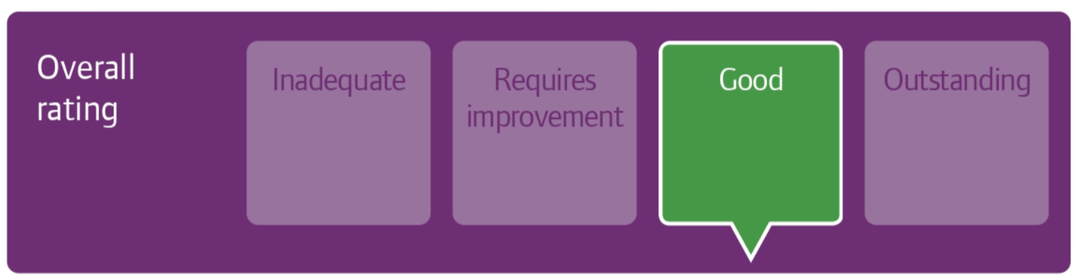
We're CQC-rated and have been supporting West Midlands families since 2018. For an MS home care conversation, call us on 0330 056 3111 or visit our personal care page.
Frequently asked questions
Does MS home care need specialist training? Yes. Fatigue management, bladder and bowel care, catheter care, hoisting, medication administration (including injections), and recognising relapse signs all need proper training. Ask any provider you interview to explain their MS training programme and when it was last refreshed.
How often will the care package need to change? Expect at least a review every 3 months, and sometimes more often after a relapse or significant symptom change. MS doesn't do steady-state very well.
Will NHS Continuing Healthcare fund MS home care? Sometimes. Eligibility depends on the level and complexity of health-based needs, assessed through a Decision Support Tool. Later-stage MS with complex continence, swallowing, mobility and pressure care needs is more likely to qualify. Appeals against refusals succeed on review more often than people expect.
Can someone with advanced MS stay at home? Yes, with the right care package. Live-in care, 24-hour care, hoisting equipment, pressure care and community palliative input together let many people with advanced MS stay at home to the end of life if that's their choice. Our palliative care at home guide covers the end-of-life integration.
Where can we find peer support locally? The MS Society runs branches in Wolverhampton, Walsall, Birmingham and Dudley. Meetings are usually monthly and family members are welcome. The MS Society branch finder has current dates.
Useful external resources
News
Our Latest News

A home carer's day explained: morning, lunchtime, teatime and bedtime visits, live-in care, what they notice, what they can't do, and how they're trained.

Home care for autistic adults and children in the West Midlands: sensory-aware carers, funding routes, and local autism services worth knowing about.


GET IN TOUCH
Caring Care
Units 4 & 5, Hatherton Court,22 Hatherton Street, Walsall, WS4 2LA
Tel: 0330 056 3111
Email: info@caringcare.co.uk


Copyright ©️ 2024 Caring Care LTD. All Rights Reserved.