News
Autism Support at Home in the West Midlands: A 2026 Family Guide
Autism isn't an illness and it doesn't need curing. What autistic adults and children often do need is support that fits how they experience the world. For many families, that support works best at home where routines are familiar, sensory load is manageable, and the person can be themselves.
This guide covers how home care supports autistic people and their families across Wolverhampton, Walsall, Birmingham, Dudley, Sandwell and Staffordshire. What good autism-aware home care looks like, how to arrange it, who funds it, and the local services worth knowing about.
What autism-aware home care involves
Autism-aware home care isn't a separate service with a different name. It's standard home care delivered by carers who understand how autism affects the person in front of them. The right support depends enormously on the individual, which is why rigid care plans rarely work well.
Common areas where home care support helps:
- Personal care at the person's pace, without rushing or surprise
- Help with cooking, shopping and household tasks that executive function can make difficult
- Medication prompts and support, including for co-occurring conditions
- Sensory-friendly adjustments to daily routines
- Companionship that respects the person's communication style
- Help getting out of the house (community access) when the person wants it
- Support with appointments, forms and official correspondence
- Respite for family carers who are often doing enormous work unseen
The National Autistic Society's guide to living with autism is a strong starting point for families new to this. It also lists local branches, including the ones covering our patch.
What good autism-aware care actually looks like
Six markers to look for when choosing a provider:
- The provider asks about sensory preferences up front (lights, noise, touch, smells)
- Carers are trained in autism specifically, not just "additional needs"
- The same one or two carers see the person consistently, so trust can build
- The care plan includes communication preferences (verbal, written, visual, AAC)
- Transitions and changes are flagged in advance where possible
- The person's own preferences and choices are at the centre of every decision
If a provider talks about autism as a "problem to manage" or treats the person as the issue, that's a signal to look elsewhere. Good autism-aware carers see the person first.
Sensory needs matter more than people realise
Sensory processing differences are one of the most common reasons autistic adults find standard care unmanageable. Fluorescent light, strong perfume, loud sudden noises, scratchy fabrics, strong tastes, and crowded spaces can all cause genuine distress and sometimes shutdown or meltdown.
A good care plan asks:
- What lighting works best (dimmer, natural, warm)
- What sounds help or distress (background music, silence, specific triggers)
- What touch is wanted and what isn't (hand-holding, hugs, light touch, firm touch)
- What foods are safe (textures, temperatures, flavours)
- What clothing fabrics work
- What times of day are high-energy vs low-energy
- Which transitions are hardest (morning, bedtime, meal times, leaving the house)
Carers who follow these preferences, every visit, build trust. Carers who override them, even with good intentions, lose it fast.
Supporting autistic children and teenagers at home
Home care for autistic children and teenagers in the West Midlands sits alongside education, health and social care support. In practice, this means:
- Working with the school or college on consistency (routines, visual timetables, sensory strategies)
- Supporting the family's existing approach rather than imposing a new one
- Giving parents genuine respite that lets them rest, work, or spend time with siblings
- Supporting the young person's own interests (special interests are a strength, not a quirk to tolerate)
- Being clear and honest in communication, including about carer changes or late arrivals
The parent-carers of autistic children do extraordinary work. Our own respite care guide covers how to structure overnight or weekend respite that gives parents time to recover.
Supporting autistic adults at home
Autistic adults may need very different support from children. Some live independently with occasional help. Others need daily personal care. Many sit between the two and need support that flexes with mental health, employment, or life stage.
Home care for autistic adults in the West Midlands typically covers:
- Help managing household tasks and admin
- Support with cooking and meal planning (eating challenges are common and under-recognised)
- Companionship and conversation on the person's terms
- Support getting to appointments and advocating with healthcare providers
- Mental health support, including signposting to autism-aware therapy
- Help with employment transitions, benefits and official correspondence
Autism and mental health co-occur more often than many services recognise. Around 70% of autistic adults have at least one mental health condition. Good home care works alongside the GP, mental health team and specialist autism services rather than in isolation.
Who to speak to in the West Midlands
Several specialist services in our region support autistic people and their families:
- Autism West Midlands is the leading regional charity, covering Wolverhampton, Walsall, Birmingham, Dudley, Sandwell and Staffordshire. Information, support groups, advocacy and family support
- Resources for Autism runs activities and support groups across Birmingham and the wider West Midlands
- The National Autistic Society Birmingham Branch runs peer support and family events
- Compton Care in Wolverhampton supports autistic people with life-limiting conditions
- Walsall Autism Hub runs drop-in sessions through the council
- Each local council has an Adult Social Care team that can assess for autism-specific support
- The NHS Adult Autism Diagnostic Service in the West Midlands offers assessment for adults who weren't diagnosed as children
For post-diagnosis support, the Autism West Midlands information service is probably the single most useful first call. Their helpline runs weekday office hours and the advisers understand the local system.
Funding autism-aware home care
Three main funding routes apply:
- Self-funding, where personal capital sits above the £23,250 threshold
- Local authority support after a Care Act needs assessment (statutory free assessment) and financial assessment
- NHS Continuing Healthcare where care needs are primarily health-based, which can apply when autism co-occurs with complex medical or mental health needs
For autistic adults specifically, the Care Act 2014 and the Autism Act 2009 together give statutory rights to appropriate assessment and support. If the local authority says "we don't do autism-specific support", that's not a valid position. Request a Care Act assessment in writing.
Direct Payments give the person control over who provides their care. For autistic adults, this often matters enormously. Being able to choose a specific carer who understands sensory needs is worth far more than accepting whoever the council sends.
Every family gets a written quote after a free care assessment, since the exact figure depends on hours, times, sensory accommodations and specialist training needed. Our cost of home care in Wolverhampton guide covers the mechanics of pricing and funding.
Questions to ask any provider
Ten questions worth asking:
- What specific autism training have your carers had, and when was it refreshed?
- How do you match carers to autistic clients?
- Can we have the same one or two carers consistently?
- How do you handle sensory preferences in the care plan?
- How do you communicate with autistic clients who prefer written over spoken communication?
- What happens if our regular carer is off sick or on holiday?
- How much notice can you give about any carer changes?
- Can we trial a carer before committing?
- What's your approach when the person is in sensory overload or shutdown?
- Can we speak to a family you currently support who has an autistic family member?
Providers that answer all ten openly are the ones to shortlist.
How Caring Care supports autistic people at home
We run autism-aware home care packages across Wolverhampton, Walsall, Birmingham, Dudley, Sandwell and Staffordshire. What that looks like in practice:
- Autism-specific training for carers as part of induction
- Small area teams, so continuity of carer is realistic
- Sensory-aware care plans built from the person's own preferences
- Communication preferences documented and followed
- Direct working relationships with Autism West Midlands, local autism hubs, and NHS adult autism teams
- Respite for family carers, from a few hours a week to a full week away
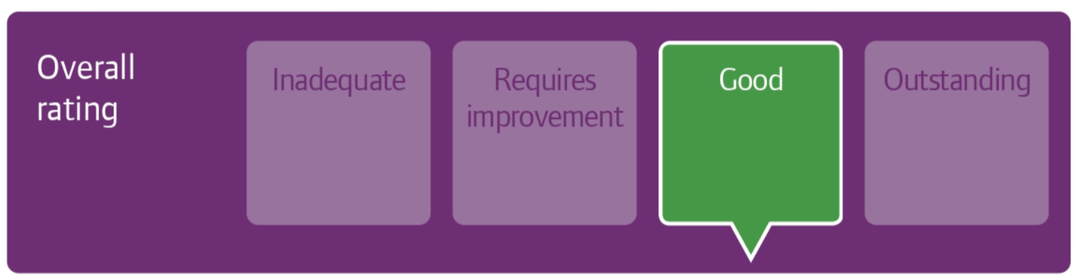
We're CQC-rated and have been supporting West Midlands families since 2018. For an autism-aware home care conversation, call us on 0330 056 3111 or visit our personal care page or respite care page.
Frequently asked questions
Is home care for autistic adults different from standard home care? The core service is the same (personal care, support with daily life, companionship). What changes is how it's delivered: carers who understand sensory needs, communication preferences and the importance of consistency. Autism isn't an illness, so there's no medical treatment to deliver. The skill is in matching the support to the person.
Can my autistic child have home care support alongside school? Yes. Home care can wrap around school hours, cover holidays, provide respite overnight or at weekends, and support family routines. A Care Act assessment through the local authority's children's services team is the usual starting point for under-18s.
How do we arrange a Care Act assessment? Contact the Adult Social Care team at Wolverhampton City Council, Walsall MBC, Birmingham City Council, Dudley MBC, Sandwell MBC or Staffordshire County Council (whichever covers your area). The assessment is free and a statutory right. Autism West Midlands can support you through the process if useful.
What if we're not happy with a carer? Say so straight away. Any good provider should swap carers without fuss if the fit isn't right. The brief should include trial periods and no-questions-asked carer changes for autistic clients specifically.
Where can we meet other families locally? Autism West Midlands runs regional family support groups. The National Autistic Society Birmingham Branch runs peer events. Local councils often fund autism hub drop-ins. The Autism West Midlands events page lists what's running near you.
Useful external resources
News
Our Latest News
A home carer's day explained: morning, lunchtime, teatime and bedtime visits, live-in care, what they notice, what they can't do, and how they're trained.
MS home care in the West Midlands: fatigue-aware carers, specialist nurse links, funding routes and what the care package looks like as MS progresses.


GET IN TOUCH
Caring Care
Units 4 & 5, Hatherton Court,22 Hatherton Street, Walsall, WS4 2LA
Tel: 0330 056 3111
Email: info@caringcare.co.uk


Copyright ©️ 2024 Caring Care LTD. All Rights Reserved.