News
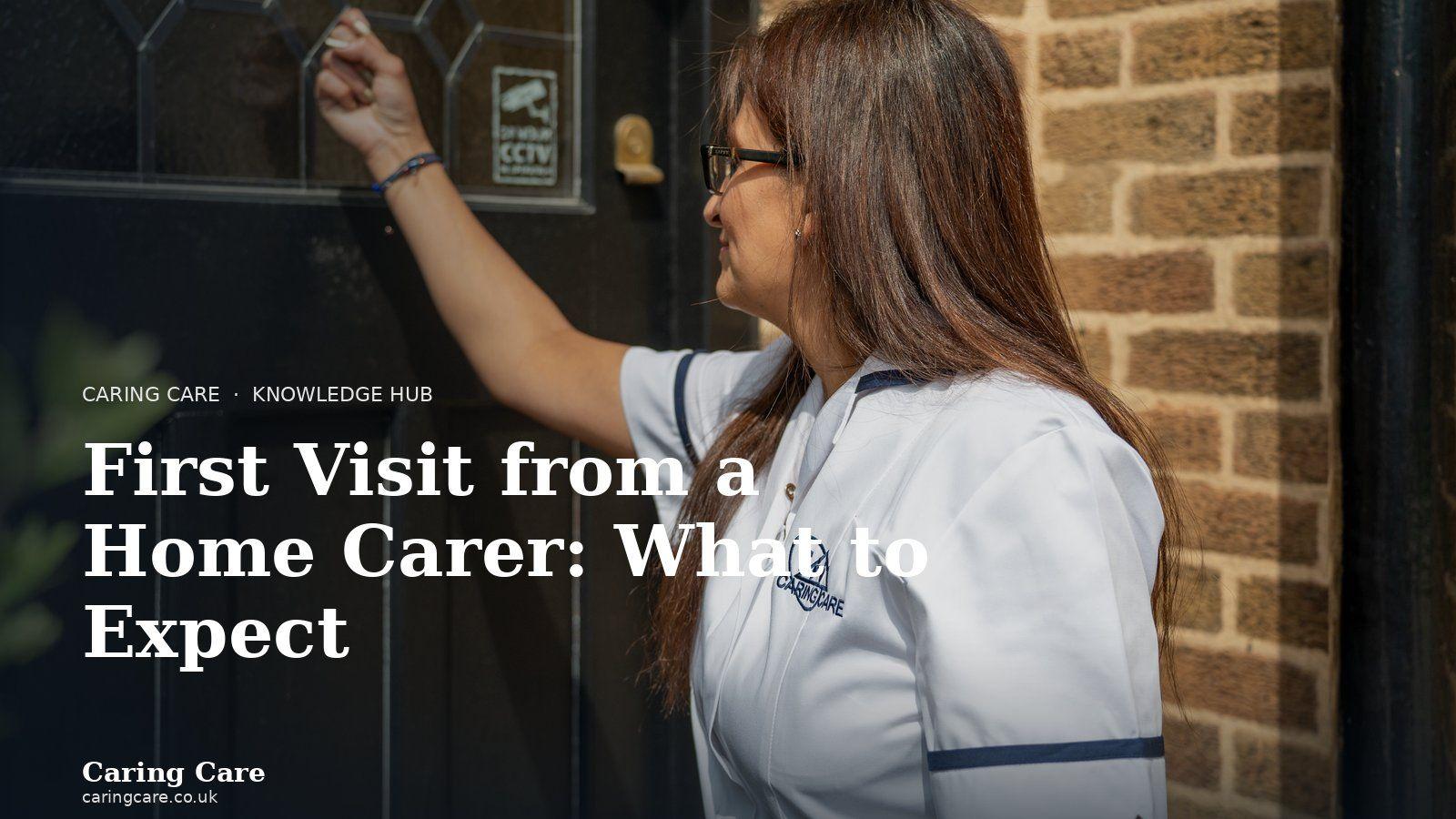
First Visit from a Home Carer: What to Expect
The first visit from a home carer is a bit like the first appointment at a new doctor. Everyone's a little guarded, there's paperwork, the person being cared for might not know what to say, and the family's hovering wondering if this was the right call.
It's also one of the most important appointments in the care journey. A well-run first visit sets up trust that lasts years. A rushed, impersonal one does the opposite. This guide covers what actually happens, how to prepare, what the carer should and shouldn't do on day one, and the small things that make a big difference.
The short answer
The first visit from a home carer is usually a care assessment visit rather than a care-delivery visit. The care manager or senior carer comes to the home, meets the person and family, learns the routines and preferences, writes a care plan, and arranges when regular visits will start. It usually takes 60-90 minutes.
The second visit, a few days later, is when the regular carer starts delivering care per the plan.
Before the first visit
A good provider sends a short welcome pack a few days in advance. It usually covers:
- Who's coming and roughly when (name of the care manager or senior carer, approximate arrival window)
- What to expect in the visit (assessment, paperwork, questions about routines)
- What to have ready (list of medications, hospital discharge summary if relevant, key contacts)
- Anyone else the family would like at the visit (adult children, GP referral letter, OT recommendation)
If the pack doesn't arrive, call and ask. A provider that goes silent before the first visit often stays silent after it.
Practical prep worth doing beforehand:
- Clear a space to sit and talk (kitchen table or sitting room, not standing in a hallway)
- Have the person's medication list to hand (the printed one from the GP or pharmacy, not just a mental summary)
- Note any medical conditions, allergies and recent hospital stays
- Think about what the person likes and dislikes in daily routines
- Jot down any specific worries or questions the family has
If you've recently come out of hospital, our hospital discharge to home care guide covers what to have ready specifically for discharge-triggered care.
What happens in the first visit
A typical first visit, broadly in order:
Introductions. The care manager or senior carer introduces themselves, hands over ID, and explains their role. They should chat with the person, not just the family. First impressions matter in both directions.
Explaining the service. A short explanation of how the provider works. Which carers, how visits are scheduled, how changes get requested, how to raise concerns, how emergencies get handled.
Learning about the person. This should feel more like a conversation than a form-filling exercise. Who the person is, what matters to them, how they've managed up to now, what help they want, what they don't want. If the carer only talks to the family and not to the person, that's a flag.
Walking through the home. Checking access, where things live, where the key safe is (if any), where the call bell lives, what equipment is in use. For live-in care, this includes the carer's bedroom and bathroom arrangements.
Medications review. Going through the medication list, confirming where meds are kept, how they're stored, whether MARs (Medication Administration Records) need to be set up, who's prescribing what.
Risk assessment. Checking for safety: trip hazards, slippery rugs, poor lighting, stair safety, bathroom aids. Looking for pressure area risks, falls risk, choking risk if swallowing is involved.
Writing the care plan. The care manager drafts a plan while there, or straight after. It should include: tasks, timings, preferences, dislikes, communication style, emergency contacts, escalation routes, and anything specific to the person's conditions.
Agreeing the start. Confirming when regular visits will begin, which carer will come first, and how the handover works.
The visit should feel unhurried. If the care manager is checking their watch and rushing to the next appointment, the care probably will be too.
What a good first visit sounds like
Phrases a good care manager or senior carer uses:
- "Tell me about your day as it is now, before anything changes"
- "What matters most to you? What would make this feel like good care?"
- "What do you absolutely not want us to do?"
- "Who else should we talk to? Family, GP, district nurse?"
- "How do you prefer to be addressed?"
- "What's the one thing we need to get right from the first visit?"
Phrases that aren't great signs:
- "We'll just do what the referral says"
- "Don't worry about the detail, we'll figure it out as we go"
- "Our carers know what they're doing, you can leave it with us"
- "We'll send whoever's available"
The best providers treat the first visit as the most important one. Average providers treat it as a form-filling box-tick.
What to ask on the first visit
Ten questions worth asking:
- Who will be our regular carer, and when will we meet them?
- How many different carers will come, in a typical month?
- What happens if our regular carer is off sick?
- How much notice can you give about carer changes?
- Can we meet a new carer before they do a visit on their own?
- How do you handle feedback or concerns?
- How often will the care plan be reviewed?
- What's the cancellation or notice period if we need to end the service?
- Who do we call out of hours in an emergency?
- Can we see a sample care plan or MAR chart before you set ours up?
Good answers are specific. Vague answers are worth probing.
What to prepare the person for
Especially for someone who's lived independently their whole life, the idea of a stranger coming in to help with washing, dressing or using the toilet can be hard. Worth having a short, kind conversation beforehand:
- The carer is here to help, not to take over
- You can say what you do and don't want, and they'll follow it
- You can ask the carer to leave the room any time
- The carer is used to this, there's no need to be embarrassed
- If this one isn't a good match, we'll ask for a different carer
For someone with dementia, this conversation may need to happen each visit for the first few weeks. That's normal. A good carer builds familiarity through small consistent actions, not through long explanations.
Common first-visit worries
"Will the carer judge the state of the house?" Shouldn't. A good carer has been in every kind of home, from spotless to chaotic. The job is to help, not inspect. If the carer makes the person feel judged, that's a problem to raise with the care manager.
"What if the person refuses to let the carer help?" Common on day one. The carer should offer, back off if the person declines, and try again gently. Nothing is forced. If refusal continues, the care plan needs reviewing (sometimes the first carer isn't the right fit, sometimes the timing's wrong, sometimes the person isn't ready).
"What if we're not happy with the care?" Say so straight away. Any good provider welcomes early feedback: they'd rather fix something in week one than discover it in month six. Our own view: if the care isn't right, we want to know. Changing carers or adjusting the plan is standard.
"What if we need more or fewer visits as time goes on?" That's expected. The whole point of a care plan review every 3 months is to catch this. Life changes, health changes, needs change. Good providers flex. Average ones rigidly stick to the original plan.
After the first visit
The regular visits usually start within a few days of the assessment. Expect the first few to feel a bit awkward. By about two weeks in, patterns start to settle. By a month, the person and the carer usually have a rhythm.
Things worth watching in the first month:
- Is the same carer coming consistently (within reason)?
- Is the carer arriving within the agreed time window?
- Is the care being delivered as the plan said?
- Is the person comfortable with how it's going?
- Is the family being updated when something changes?
If any of these are off, raise it quickly. The first month is when habits form on both sides. Easier to adjust early than to re-set later.
How Caring Care handles first visits
Our first visit is always done by a care manager or senior carer, not a junior one. We take 60-90 minutes, we talk to the person first, we write the care plan with the family in the room, and we commit to a start date before we leave.
What we try to make different:
- The same one or two regular carers for your family, so trust builds fast
- A short follow-up call from the care manager in the first week to check how it's going
- A full care plan review at 3 months, or sooner if things change
- Direct contact details for the care manager, not just a general office number
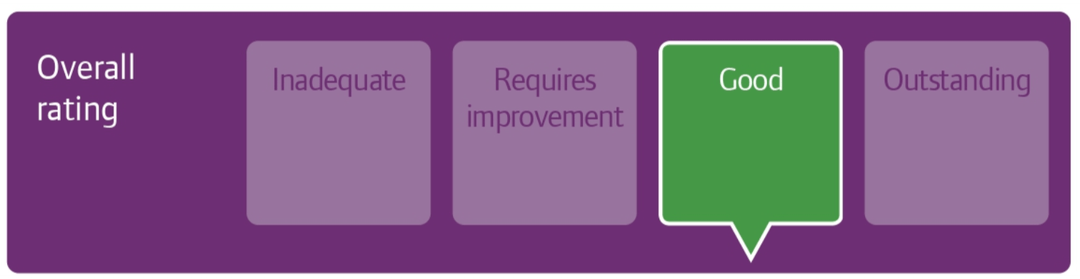
We're CQC-rated and have been running home care in Wolverhampton, Walsall, Birmingham, Dudley, Sandwell and Staffordshire since 2018. For a care assessment, call us on 0330 056 3111 or visit our domiciliary care page.
Frequently asked questions
How long before care actually starts after the first visit? Usually 3-7 days from the assessment visit. Faster for urgent discharge-triggered care (same day or next day is possible). The gap gives the provider time to brief the regular carer, write the care plan, and get any equipment in place.
Does the first visit cost anything? Care assessment visits are free with most providers, including Caring Care. If a provider is charging for an initial assessment visit, ask why.
Who should be at the first visit? The person receiving care, at least one family member if possible, and sometimes the person's existing GP or OT if they've been part of the referral. More than two or three people can feel overwhelming for the person being assessed.
What should the person wear? Normal clothes. The first visit is a conversation, not a care-delivery visit. The regular carer will handle washing and dressing from the second visit onwards.
What if the family lives far away? Join the first visit by video call if you can. Phones work. Most families have at least one person who can join via Zoom, WhatsApp or a video call from their phone.
Useful external resources
News
Our Latest News
A home carer's day explained: morning, lunchtime, teatime and bedtime visits, live-in care, what they notice, what they can't do, and how they're trained.

MS home care in the West Midlands: fatigue-aware carers, specialist nurse links, funding routes and what the care package looks like as MS progresses.


GET IN TOUCH
Caring Care
Units 4 & 5, Hatherton Court,22 Hatherton Street, Walsall, WS4 2LA
Tel: 0330 056 3111
Email: info@caringcare.co.uk


Copyright ©️ 2024 Caring Care LTD. All Rights Reserved.