News
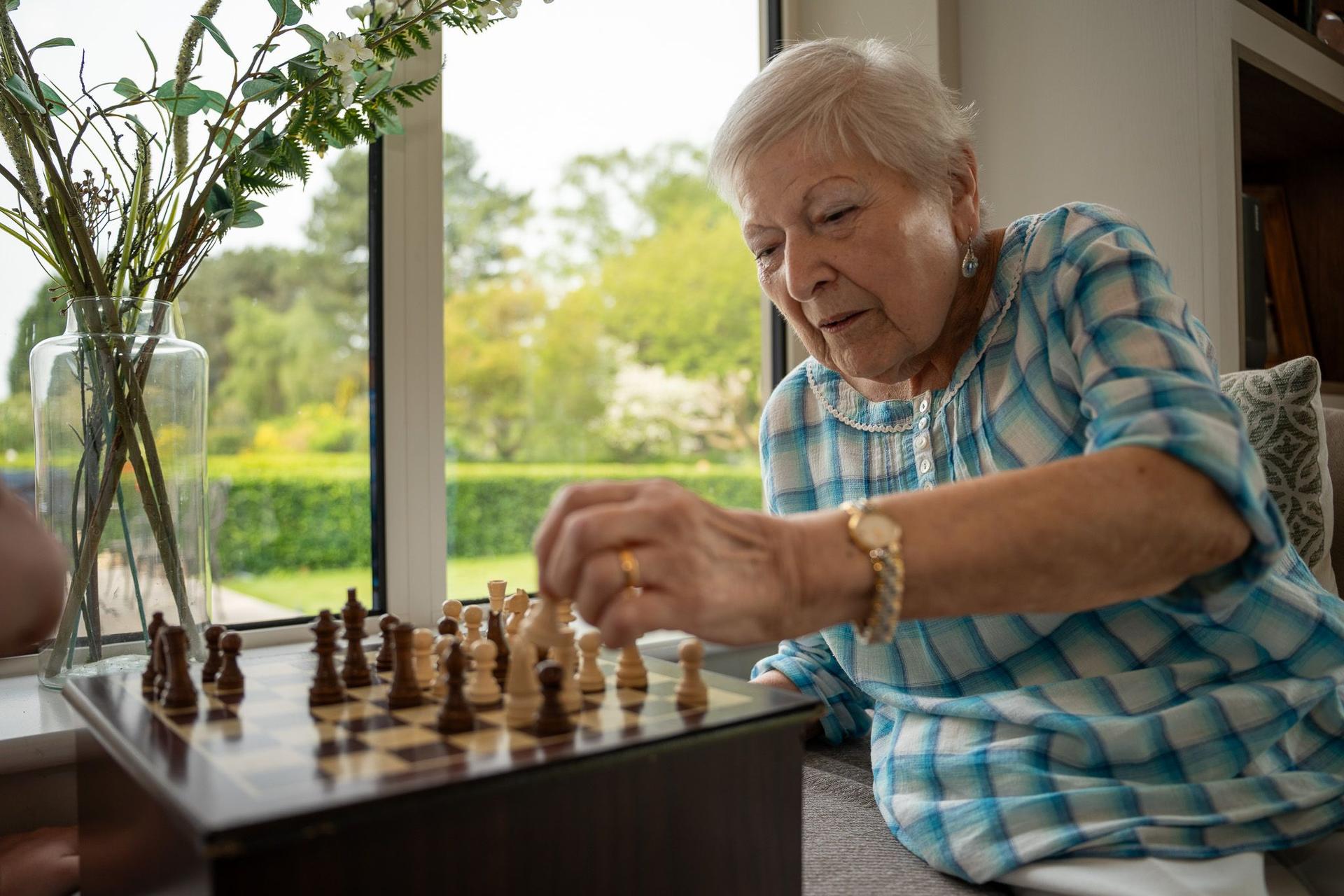
Home Care vs Care Home: How to Decide in 2026
There's no universally right answer to "home care or care home?". But there is a right answer for your situation, and you can usually work it out with the right framework.
This guide walks through six factors that matter most. Cost. Daily life. Safety. Social contact. Family impact. How care needs are likely to change over time. It's written for families across the UK weighing the decision in 2026, with realistic numbers and a decision framework at the end.
A quick note on language
Throughout this guide, "home care" means professional care delivered in the person's own home. Anything from a daily visit to live-in care. "Care home" means a residential setting where the person moves in permanently, with staff on-site 24/7. "Nursing home" is a care home with registered nurses on staff, for people with significant clinical needs.
We're not comparing home care to short-term hospital stays, or to assisted living developments (which sit somewhere between the two).
Factor 1: cost
For most families this is where the conversation starts. The headline numbers in 2026:
| Option | Typical 2026 UK cost |
|---|---|
| Visiting home care, 3 visits/day, ~3 hours total | £2,500 to £3,500 a month |
| 24-hour home care, rotating team | £6,000 to £10,000 a month |
| Live-in care, one dedicated carer | £4,100 to £6,500 a month |
| Residential care home | £4,500 to £6,500 a month |
| Nursing home with on-site nurses | £6,000 to £9,000 a month |
For a Walsall-specific cost breakdown, see our cost of home care guide.
A few things this table hides.
You don't need 24-hour care from day one. Most home care journeys start with a few visits a week and build up over years. Most care home moves are permanent from day one. So the relevant comparison for many families is "£800 a month of home care now" vs "£5,500 a month of care home now". Not the 24-hour comparison.
Care home fees usually include accommodation and food. Home care doesn't. But you'd be paying for those anyway if the person stayed at home. Net of food and utilities, the per-month comparison is closer than it first looks.
Couples often see a stark difference. If both partners need care, one care home spot becomes two. The bill doubles. Live-in care for a couple is often only marginally more expensive than for one person.
Self-funded vs council-funded routes diverge after the means test. If the person has capital under £23,250 (England), local authority funding kicks in for both home care and care home placements. But in practice, councils often ration home care hours more than they ration care home places. This sometimes pushes families towards a care home placement that wasn't their first choice. The Care Act 2014 sets out what you're entitled to in each case.
Factor 2: daily life and dignity
This is the factor families underestimate at the planning stage and over-weight in hindsight.
At home, the person keeps:
- Their own bedroom, their own bed, their own pillow
- Their own routine: when they get up, what they eat, what they watch
- Their pet, their garden, their neighbours, their privacy
- Freedom to have visitors at any time, for any length of time
In a care home, the person typically gets:
- A private room (occasionally shared) with their own furniture allowance
- A set meal schedule and menu (with choices, but constrained)
- Set staff shifts and ratios
- Activities and social opportunities they wouldn't necessarily seek at home
- Visiting hours and policies that vary by home
Neither is universally better. A sociable, outgoing person who has been lonely at home may genuinely thrive in a care home with its built-in social fabric. A private, introverted person used to their own routine often finds the structure of a care home distressing.
The honest truth: most older people, asked directly, say they want to stay at home if possible. The same surveys show a minority who actively prefer the company and structure of a care home. Both preferences are valid. Worth asking about while the person can still articulate them.
Factor 3: safety
Care homes are often perceived as "safer" because there are staff on-site at all times. This is partly true and partly misleading.
Where care homes have a safety edge:
- Falls in the middle of the night, particularly for people who get up confused
- Sudden medical events (carer or nurse on the floor, faster response)
- Severe wandering risk (secure doors, alarmed exits)
- Complex medication that needs nurse administration
Where home care has a safety edge:
- Familiar environment reduces falls. People navigate their own home better than a new one.
- One-to-one attention vs typical care home staff ratios (often 1:6 or 1:8 during the day)
- Lower infection risk in winter. Care homes are dense environments.
- Lower mental decline rate. Being in your own surroundings preserves cognition longer.
A good home care provider can mitigate most care-home advantages. Telecare alarms. Sensor mats by the bed. Regular night visits. Live-in carers or 24-hour rotating teams. A care home can't really mitigate the cognitive decline and infection risks of dense living.
The right question isn't "which is safer?". It's "which specific risks does this person face, and which setting addresses those better?"
Factor 4: social contact and loneliness
This is genuinely a strong point for care homes. Built-in companionship is one of the things they do well. Meals together. Activities. Other residents to chat with. Staff popping in and out.
Home care can match this in a few ways.
Carers as companions. A good home care visit isn't just task-based. It's conversation, a friendly presence, someone who notices.
Day centres and lunch clubs. Most areas have Age UK day centres, dementia cafés, or community lunch clubs someone can attend a few times a week.
Family and neighbour visits. Easier to host when the person is in their own home with no visiting hour restrictions.
Telephone befriending services. Age UK and other charities run regular phone calls for people who'd otherwise have very few.
But if someone is genuinely isolated (no family nearby, limited mobility, few friends left, no neighbour relationships), a care home's social environment is a real plus. Home care won't fully replicate it.
Factor 5: impact on the family
Family carers don't always factor themselves into the decision. They should.
Home care, while the family is heavily involved:
- The family carer often retains primary responsibility for organisation, logistics, advocacy.
- Daily and weekly check-ins, hospital appointments, prescription pickups still typically fall to family.
- Emotional labour is high. You remain "the carer" even when paid help is in place.
- Burnout risk is real, especially for adult children with full-time jobs and their own families.
Care home:
- Primary responsibility shifts to the home's staff and management.
- Family role becomes "visitor" and "advocate". Less daily logistics. More emotional support.
- Higher emotional cost in some ways (guilt, distance, grief at the change). Lower practical load.
- Easier to maintain other family or work roles alongside.
For families where the primary carer is themselves elderly (a spouse caring for a partner), or where adult children live far away, the practical sustainability of home care depends heavily on the home care package being substantial enough. A few hours of help a week isn't enough if the spouse is exhausted.
Factor 6: how needs are likely to change
This is the factor most families don't think about until they have to.
If the person's needs are stable or progressing slowly (early-stage dementia, recovering from a stroke with predictable trajectory), home care scales well. You can add hours. Add a live-in carer. Add overnight cover. Adapting over months and years.
If the person's needs are likely to escalate quickly (advanced dementia with significant behavioural symptoms, motor neurone disease, end-stage organ failure), a care home (specifically a nursing home) may be a more sustainable long-term setting. Particularly if 24/7 nursing care is likely to be needed.
But "needs may escalate" isn't the same as "needs will escalate". Many families move into a care home pre-emptively for a "what if" and find the person settles into decline more rapidly than they would have at home. The unfamiliar environment itself accelerates dementia in many cases.
A reasonable middle path: start with home care, and revisit the decision every six months. If care needs become genuinely beyond what home care can sustain (clinically, logistically, or financially), a planned move to a care home is much better than a crisis move.
A decision framework
If you're stuck, work through these questions in order. The answers usually point clearly one way.
- Does the person have a clear preference, and can they articulate it? This carries significant weight. Override it only for genuine safety reasons.
- What's the current and 12-month-projected level of care need? Less than 8 hours of care a day and home care is usually viable. More than that, or 24/7 supervision required, and you should look harder at care home or live-in care.
- Is the home itself suitable? Stairs, small bathroom, isolated location. These create friction. A care home may be appropriate if the home itself is the problem.
- What's the family situation? If a family carer is in place and willing/able, home care is much more sustainable. If there's no nearby family, home care needs to be a more comprehensive package to substitute.
- What's the funding picture? If council funding is in play and the local authority is restricting home care hours, the practical option may be a care home even if home care would have been preferred.
- Is there a clinical need for on-site nursing? If yes, a nursing home may be the only viable long-term setting. Home nursing exists but is expensive and limited.
The honest summary
For the majority of older adults in the UK in 2026, home care is the right first option. Financially comparable or cheaper at typical care levels. Preserves dignity and routine. Adapts to changing needs.
Care homes are the right answer when 24/7 supervision is genuinely needed, when home isn't suitable, when funding routes restrict home care, when severe clinical needs require on-site nursing, or when the person genuinely prefers communal living.
The wrong answer is to make this decision in a hurry, after a hospital admission, with no time to look at alternatives. If you're at the start of this process and the person is stable, take a few weeks to compare options properly. A short visiting-care trial costs little and tells you a lot.
Useful external resources
- Care Quality Commission for inspection reports on any UK provider (home care or residential)
- Age UK, Finding the right care for independent guidance on care options
- NHS social care guide for eligibility, costs, and how to access support
- Care Act 2014, the law setting out your entitlements
- Carers UK for support if you're caring for someone
Caring Care delivers home care across the West Midlands including Walsall, Birmingham, Wolverhampton, Dudley, Sandwell and Staffordshire. Visiting, live-in, 24-hour, and respite. We're CQC-rated. If you're weighing home care against a care home for a loved one, we offer a free care assessment and an honest conversation about whether home care is the right fit. Call 0330 056 3111 or book an assessment via our contact page.
News
Our Latest News
Stroke recovery at home in the West Midlands: how Early Supported Discharge works, funding, and how good home care supports rehabilitation.
End-of-life care at home in the West Midlands: Fast Track NHS CHC funding, hospice-at-home services, what to expect in the last weeks, and bereavement support.