News
Home Care for Couples in the UK: Can You Stay Together at Home?
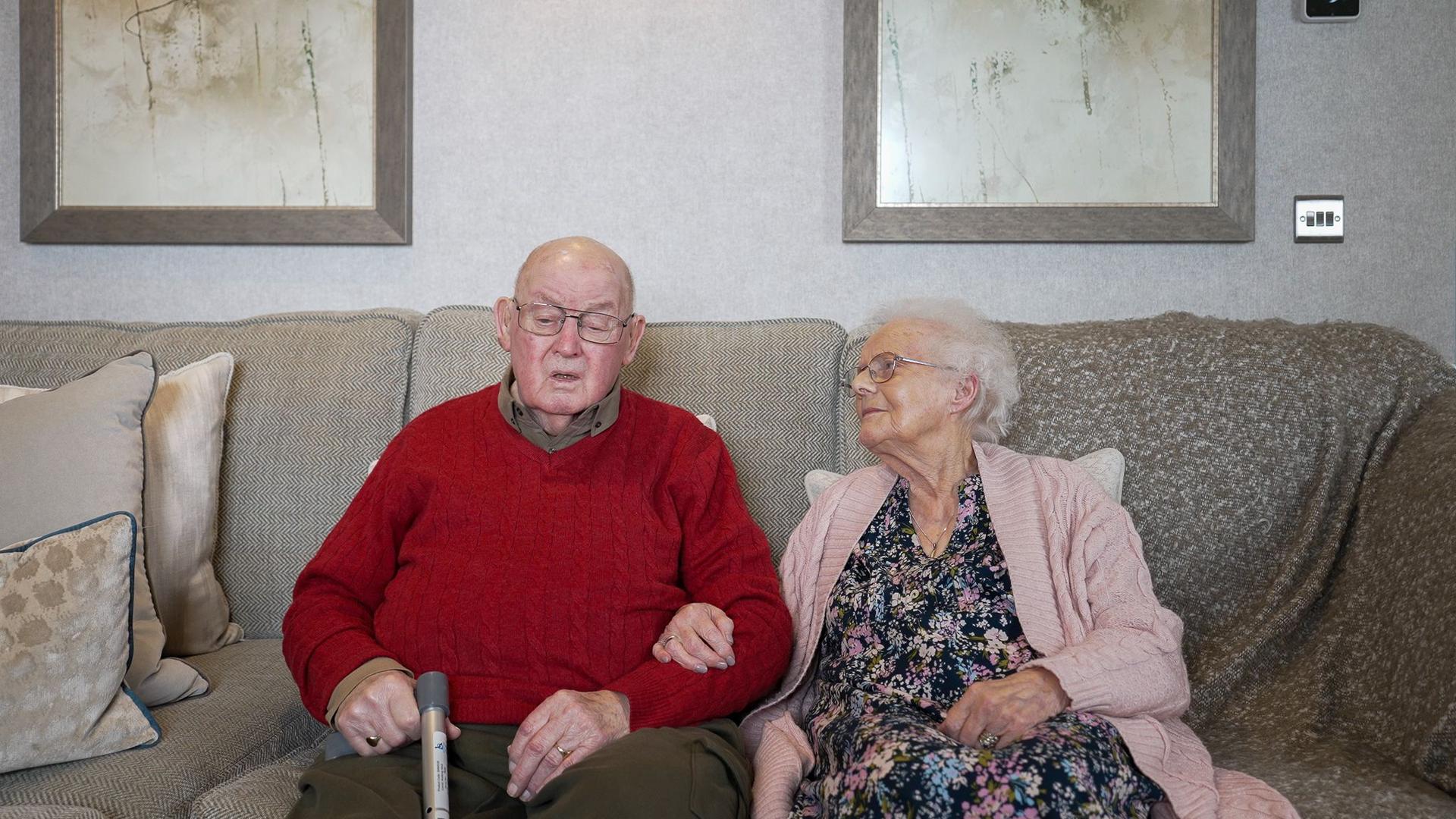
For many couples, home is far more than a place to live. It's where decades of memories have been made and daily life has been shared. As care needs change with age or illness, one of the biggest worries families face is whether partners will have to live apart.
Often, they don't have to.
With the right support, many couples can keep living together safely in their own home. Whether one partner needs occasional help with daily tasks or both need ongoing care, home care can be shaped around each person's needs while keeping the couple side by side. According to the NHS, home care (or domiciliary care) lets people stay independent in familiar surroundings rather than moving into residential care. Support ranges from a few visits a week to live-in cover or a full 24-hour care package.
Most families are surprised to hear that staying together at home isn't just possible. It's often better. For emotional wellbeing, for continuity of care, for the routines that hold a household together.
This guide walks through how home care for couples works in the UK, the options available, who benefits, and what to think about when deciding.
Can couples receive home care together?
Yes.
Many home care providers support couples who want to stay together while receiving care in their own home. Unlike some residential settings where accommodation and staffing can end up separating partners, home care is built around each individual while allowing them to share the same home and the same daily rhythm.
Every care journey starts with an assessment. Health, mobility, medical conditions, lifestyle and personal preferences are considered for each person. Even though couples receive care together, each partner has their own care plan reflecting what they specifically need.
For example:
- One partner may need help with personal care, dressing and medication.
- The other may only want a hand with meals or light housework.
- Both may value companionship or support getting to appointments.
Care evolves as needs change, without disrupting the couple's routine any more than has to happen.
Read more about our Home Care Services.
Why so many couples choose to stay at home
Growing older doesn't have to mean leaving behind what's familiar. Guidance from Age UK and others consistently shows that older adults want to remain in their own homes for as long as it's practical and safe. For couples, the reasons run deeper than convenience.
Staying together
The biggest one. A long-term relationship provides reassurance, companionship, and a form of continuity that becomes more valuable, not less, when independence starts to change. Remaining together helps reduce anxiety at a time that might otherwise feel destabilising.
Familiar surroundings
Home has a texture that can't easily be reproduced. Own bedroom. Family photographs. Favourite chair by the window. The neighbours who wave hello. The pets. The routines built over years.
For people living with dementia, familiar surroundings often help reduce confusion too.
Read about our Dementia Care services.
Independence
Home care is designed around helping people stay as independent as possible. Carers assist where needed and step back where they can, so the person continues doing what they can safely still do.
Depending on ability, couples may keep cooking together, gardening, taking short walks locally, visiting family, going to community groups, or pursuing hobbies.
A plan built around them
No two couples have the same needs. One partner may be recovering from surgery while the other is living with Parkinson's. Another couple may just want help with the shopping and housekeeping once a week. Because home care is tailored, support can grow gradually as things change rather than requiring a sudden move into full-time residential care.
What types of home care are available for couples
There is no one-size-fits-all. Providers offer a range of services depending on need.
Visiting home care
Scheduled visits from a trained carer. Once a week, several times a day, or anything in between, depending on the situation. Support commonly includes personal care, medication support, meal preparation, housekeeping, shopping, mobility assistance and companionship.
This works well for couples who are largely independent but need regular help with specific tasks.
Live-in care
A carer lives in the home and provides continuous support while the couple stays in their own house. Rather than moving into a care home, the couple gets round-the-day cover from someone who becomes part of the household rhythm.
Live-in care can suit couples where one partner has increasing needs, or where the other partner has become the main family carer and needs support alongside them.
Overnight care
Some couples only need support at night. Overnight care can cover toileting, medication, repositioning, falls prevention and night-time reassurance. It also provides peace of mind for the partner who would otherwise be on their own overnight.
24-hour care
For more complex needs, 24-hour care uses multiple carers working in shifts to provide continuous cover both day and night. Unlike live-in care, which includes designated rest periods, 24-hour care means someone is always awake and available. Often used for advanced medical or mobility needs.
Respite care
Many partners naturally become the main carer over time. Rewarding, but demanding. Respite care provides temporary professional support so the family carer can take a break, attend appointments, recover from illness, or spend time with family. Even occasional respite can protect the wellbeing of both partners while care continues without disruption.
Which type of care might be right?
| Care type | Best for | Typical support |
|---|---|---|
| Visiting home care | Occasional support | Personal care, medication, meals, companionship |
| Live-in care | Ongoing daily assistance | Continuous cover while remaining at home |
| Overnight care | Night-time needs | Reassurance, toileting, mobility support |
| 24-hour care | Complex or advanced needs | Round-the-clock care from multiple carers |
| Respite care | Supporting family carers | Temporary replacement and recovery breaks |
Every couple's situation is different. The right option depends on each partner's individual needs, health conditions, and long-term goals.
Can one live-in carer support two people?
One of the most common questions families ask. The answer is often yes, but it depends on what each person needs.
A single live-in carer can usually support both partners when:
- Both need low to moderate levels of care.
- Support is mainly around daily living activities.
- Medication routines are manageable.
- Overnight assistance is limited.
- Neither partner needs continuous clinical nursing.
For example, one partner may need help with personal care each morning while the other only wants help with meals, medication reminders and a bit of company.
If both partners need intensive physical support, regular moving and handling, frequent night-time care, or complex clinical care, one live-in carer may not be enough. In these cases, an additional carer or a full 24-hour package would be recommended.
The call is always based on the professional care assessment.
What if one partner needs more care than the other?
Very common. One partner may be living with dementia, or Parkinson's, or recovering from a stroke, or simply becoming frailer with age. It doesn't have to mean a different living arrangement.
Providers write individual care plans that reflect each person's specific needs.
For example:
Partner one might receive personal care, mobility assistance, medication administration, continence support and meal assistance.
Partner two might only need household support, shopping assistance, companionship, medication reminders and transport to appointments.
Care plans are reviewed regularly, so support can increase or decrease as circumstances change. That flexibility is one of the biggest advantages of home care.
Home care vs residential care for couples
Choosing between home care and residential care is personal. There isn't a universally right answer, only the option that best fits your circumstances.
| Feature | Home care | Residential care |
|---|---|---|
| Couples remain in their own home | Yes | No |
| Couples can usually stay together | Yes | Sometimes |
| Personalised one-to-one care | Yes | Shared staff across residents |
| Flexible routines | Yes | Structured routines |
| Pets remain with owners | Yes | Usually limited |
| Family visits | No restrictions | Visiting hours may apply |
| Adaptable care package | Yes | Less flexible |
Home care may be particularly suitable for couples who value independence, want to remain part of their local community, and can safely continue living at home with the right support. Residential care may be more appropriate where specialist nursing or intensive clinical support is required.
For most families, arranging a professional care assessment is the clearest way to work out which fits.
How much does home care for couples cost?
No fixed price. Every package is tailored to individual circumstances. The overall cost depends on:
- The number of care visits required.
- Whether one or both partners need support.
- The complexity of care.
- Whether overnight or live-in cover is needed.
- Where you live.
In some cases, supporting two people together works out more cost-effective than arranging two entirely separate care packages, because certain tasks and visits overlap. Couples receiving home care also continue sharing household expenses (mortgage or rent, utilities, council tax) rather than paying for a residential room each.
Focus on overall value, not just the hourly rate. Personalised care in familiar surroundings often costs less to deliver than families expect.
For a fuller local breakdown, see our guide on the cost of home care in Walsall.
Is financial support available?
Depending on your circumstances, financial help may be available.
Local authority funding
Your council may contribute towards care costs if you meet the eligibility criteria following a Care Needs Assessment and Financial Assessment under the Care Act 2014.
NHS Continuing Healthcare
People with significant ongoing healthcare needs may qualify for NHS Continuing Healthcare, where eligible care costs are covered entirely by the NHS. Eligibility is based on healthcare needs rather than age or income.
Attendance Allowance
Older adults who have reached State Pension age and need help because of illness or disability may be eligible for Attendance Allowance. Unlike some benefits, it isn't means-tested, so it doesn't depend on income or savings.
Personal savings
Some families choose to fund care privately using savings, pensions, or other resources. A professional care provider can walk you through the options and explain the assessment process.
Questions to ask before choosing home care for couples
Choosing a provider matters. Some useful questions:
- Can one care package support both partners?
- Will each person have their own care plan?
- Can care increase if our needs change?
- Are carers trained for dementia and complex conditions?
- Are your services regulated by the Care Quality Commission (CQC)?
- What happens if our regular carer is unavailable?
- How are emergencies handled outside office hours?
- How often are care plans reviewed?
- How do you communicate with family members?
- Can we meet our carer before care begins?
The answers, and how they're delivered, tell you a lot.
Frequently asked questions
Can married couples receive care together at home?
Yes. Many home care providers support couples who want to keep living together, with personalised care plans built for each person.
Can one partner receive care while the other stays independent?
Yes. One partner may only need occasional practical help while the other receives more comprehensive assistance with personal care or mobility.
Can one live-in carer support two people?
Often yes. It depends on the level of care each partner needs and whether one carer can safely deliver it, based on the professional assessment.
Is home care cheaper than moving into a care home?
Depends on individual circumstances. For some couples, home care works out very cost-effective, particularly where certain aspects of care can be shared. A personalised assessment gives the most accurate picture.
Can care increase if our needs change?
Yes. One of the biggest advantages of home care is flexibility. Care plans are reviewed regularly and can be adjusted as health needs evolve.
Final thoughts
Needing extra support doesn't have to mean giving up the home you've built together. For many couples across the UK, home care offers a way to keep living side by side while getting personalised support that respects each partner's needs, independence and dignity.
Whether that means occasional visits, live-in care, or something more comprehensive, the right package should reflect your circumstances, not a one-size-fits-all template.
If you're unsure which type is right, arranging a professional care assessment is a strong first step. It's a chance to discuss what you need, understand what's available, and put a plan together that helps both partners stay safe, comfortable and supported at home for as long as possible.
References
Guidance from trusted UK organisations, including:
- NHS England (home care services, NHS Continuing Healthcare)
- GOV.UK (Attendance Allowance, paying for care and support)
- Care Quality Commission (choosing a regulated care provider)
- Age UK (independent living and support for older people)
- Homecare Association (home care best practice)
As funding rules, eligibility and guidance change over time, always check the latest information published by these organisations or speak to your local authority for advice specific to your situation.
Caring Care | Trust. Professionalism. Compassion. Visit caringcare.co.uk · Email info@caringcare.co.uk · Call 0330 056 3111
News
Our Latest News
How respite care works in Staffordshire, the options available, and how family carers can take a proper break without disrupting their loved one's routine.
Simple, room-by-room adjustments UK families can make today to prevent falls and keep older parents safer at home.