News
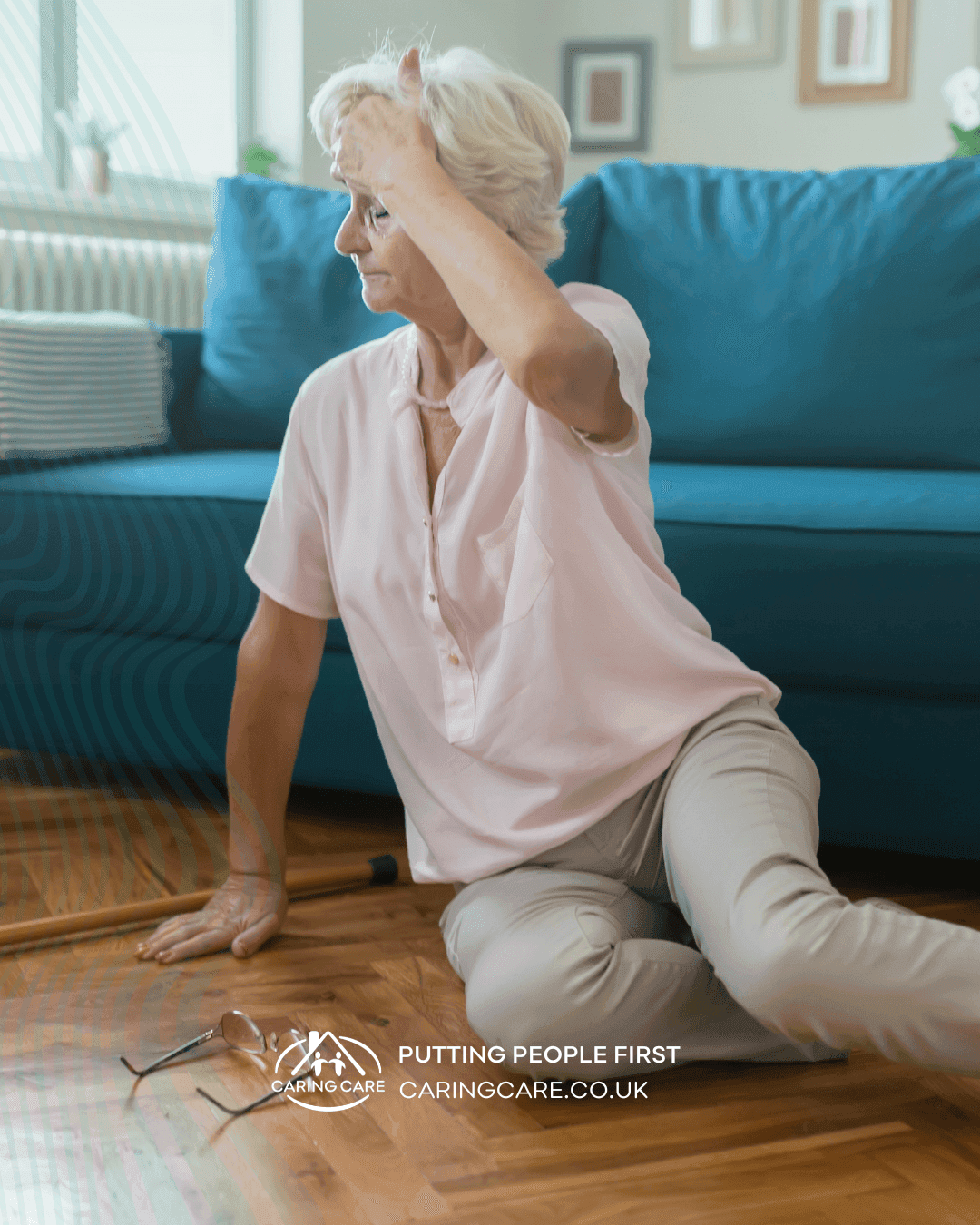
Staying Mobile and Preventing Falls in Home Care
One in three adults over 65 experiences a fall each year, yet most falls are preventable with the right mix of exercise, environment tweaks and support from home-care professionals. This article offers:
- An evidence-based workout plan that fits into short domiciliary-care visits
- A room-by-room safety checklist for private homes
- Advice on assistive technology and how carers can encourage compliance
Recommended Activity Levels
Public Health England advises:
- 150 minutes of moderate activity weekly
- Strengthening exercises on at least two days
- Balance-training 2–3 times a week for adults at risk of falls
Breaking activity into ten-minute “movement snacks” avoids fatigue.
Gentle Exercise Plan (30-minute session)
| Segment | Exercise | Duration | Purpose |
|---|---|---|---|
| Warm-up | Seated march | 3 min | Raises heart rate |
| Mobility | Shoulder circles, ankle rotations | 5 min | Loosens joints |
| Strength | Sit-to-stand from chair | 3 × 10 reps | Leg power |
| Balance | Tandem stand (heel-to-toe) | 3 × 30 s | Stability |
| Flexibility | Hamstring stretch on chair | 2 × 20 s | Reduces stiffness |
| Cool-down | Deep breathing & neck stretches | 4 min | Lowers heart rate |
Carers can supervise two segments per visit, rotating across the week.
Daily Stretch Circuit
- Neck rolls – five each way
- Shoulder shrugs – ten repetitions
- Calf stretch against wall – hold twenty seconds
- Ankle circles – fifteen each side
- Wrist flexor stretch – ease arthritic wrists
Display a printed poster near the breakfast table as a reminder.
Fall-Proofing Your Home
The NHS Falls Prevention Guide highlights four critical areas.
Living Room
- Secure loose rugs with double-sided tape
- Arrange furniture to create wide walking paths
- Store remote controls at arm height to reduce sudden reaching
Bathroom
- Install grab rails beside the toilet and in the shower
- Place a non-slip mat in the bath
- Consider a raised toilet seat if arthritis limits hip movement
Kitchen
- Keep heavy pans on waist-height shelves
- Use a kettle-tipper to avoid wrist strain
- Mark “hot surface” stickers on oven doors for low-vision clients
Stairs & Hallways
- Fit bright LED bulbs and motion sensors
- Check carpet edges for fraying monthly
- Add a second handrail when knee pain limits stability
Our team can perform a full Home Safety Assessment.
Assistive Technology
- Personal alarm pendants - summon help after a fall
- Automatic lights - illuminate pathways when motion detected
- Smart walking sticks- built-in GPS and fall detection for outdoor confidence
- Hip-protective clothing - pads that absorb impact
Caring Care’s equipment partners offer demonstrations during a free consultation.
Encouraging Exercise Compliance
- Set SMART goals - “I will complete three sit-to-stands every TV advert break.”
- Track progress on a wall calendar; tick completed sessions.
- Positive reinforcement - share successes with family via WhatsApp to build motivation.
Key Take-away
Strength, balance and environment changes form a reliable defence against falls in care at home. To find out more, call Caring Care.
News
Our Latest News
Dementia is described in three broad stages — early, middle and late. A clear guide to what each involves and how home care adapts to support your loved one through them.

Complex care brings clinically trained, nurse-led support into the home for serious health needs. What it covers, how it differs from standard home care, and how to arrange it.