News
Dementia Communication at Home: Practical Techniques for Families
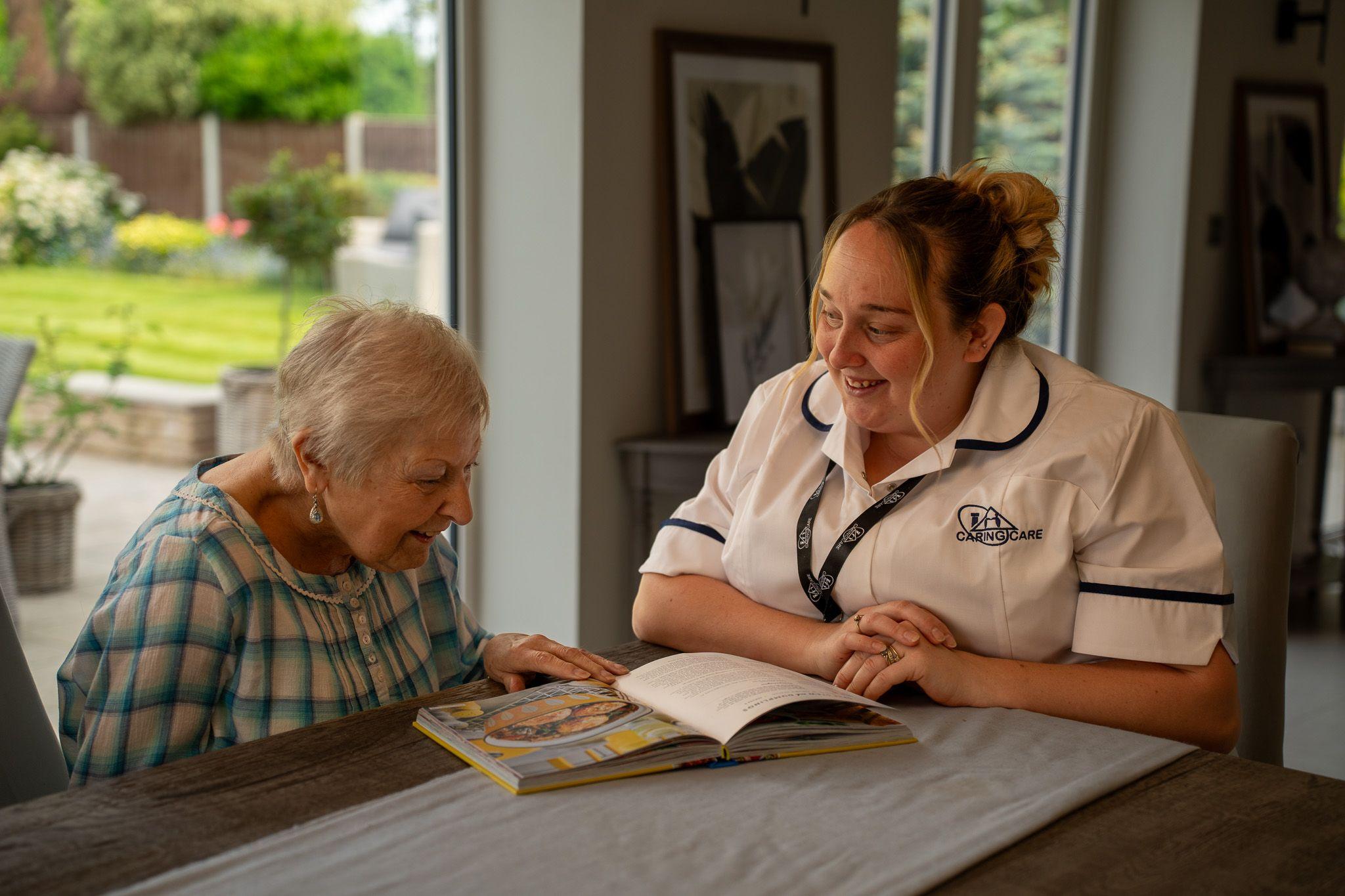
Supporting a loved one with dementia at home often begins with communication. Words, tone, facial expressions and the environment all shape how safe and understood a person feels. This guide offers calm, practical techniques you can use today to reduce stress, build confidence and protect dignity. It also explains how Caring Care can align home care visits, routines and specialist support around what matters most to your family.
If you are new to arranging support, start with our Home Care Guide.
What changes with communication in dementia
Dementia can affect attention, memory, language and processing speed. Common patterns include:
- finding the right word or name taking longer
- losing the thread of a conversation
- mishearing or misunderstanding when there is background noise
- increased anxiety when choices or instructions are complex
These changes are not personal. Simple adjustments to how we speak and structure the day can make conversation and decision making far easier. For a general overview, see NHS dementia information: https://www.nhs.uk/conditions/dementia/
Principles that make conversations easier
- One thing at a time: ask single, short questions. Pause to allow a response.
- Plain, familiar language: use names of people and objects rather than pronouns.
- Reassure first, solve second: start with comfort, then guide the next step.
- Keep the environment calm: reduce noise, turn off the TV, face each other.
- Use more than words: gestures, pictures and objects can reinforce meaning.
- Accept a different pace: silence is not a problem. Give time and repeat gently.
If evenings are more unsettled, brief night-time support can help. Read Overnight Home Care.
Practical techniques you can use today
Prepare the space
Sit at the same level, make eye contact and ensure good lighting. Remove competing sounds and clutter that may distract.
Open with reassurance
Try a warm greeting and a reminder of who you are if needed. A gentle touch to the hand or shoulder can reduce tension if this is welcomed.
Ask closed or either-or questions
Instead of “What would you like to drink”, try “Would you like tea or water”. Fewer options reduce decision fatigue.
Use short prompts and single steps
Break tasks into simple actions: “Let’s stand up”, then “Let’s walk to the table”. Praise progress between steps.
Show, do and say
Demonstrate the action while describing it. For example, pick up the toothbrush and mime the movement while saying “Let’s brush teeth”.
Use visual cues
Large print labels on doors and drawers, a weekly whiteboard for visits, and a memory book of names and photos can anchor orientation.
Lean on life stories
Familiar music, treasured objects and favourite topics can open conversations and build confidence. Reminiscence supports identity and mood.
Respond to feelings, not just words
If someone appears frustrated, name the feeling and offer comfort: “It looks frustrating. Let’s sit together for a minute and try again.”
For broader emotional support, see Mental Well-being for Older Adults in Home Care and ideas in Combatting Loneliness.
Routines that support communication
Keep a predictable day
Regular wake, meal and rest times lower anxiety. Post a simple daily plan where it is easily seen.
Link communication to routine
Use the same phrases for repeated tasks, such as “Time for our morning wash”. Consistency becomes a cue.
Plan for the best time of day
Schedule decisions or new tasks when the person is usually most alert. Save lighter activities for later.
Keep mealtimes calm
Lay out cutlery in order of use, offer finger foods if easier, and limit extra choices at the table. Gentle prompts are often enough.
Align medicines with conversation
Clear, calm prompts support safe administration. Our guide Home Care Medication Management explains routines, records and checks.
Managing distress and behaviour changes
Distress is often a signal of unmet need, not “challenging behaviour”. Try:
- check basics: pain, hunger, thirst, temperature, toilet needs, fatigue
- reduce demands: pause, simplify the task, offer to help
- redirect gently: suggest a favourite activity or a short walk
- validate the emotion: acknowledge fear or frustration before guiding action
If nights are difficult or safety is a concern, consider short term Overnight Home Care or a period of 24-Hour Care while routines stabilise.
How Caring Care can help
Personalised care plans
We assess what helps and what hinders, then write clear, step by step guidance for conversations, prompts and routines.
Consistency of carers
A small, familiar team supports trust and reduces repetition. Notes are shared so everyone uses the same language and approach.
Training and coaching
Carers are trained in dementia communication, validation techniques and gentle risk reduction. We can coach family members during visits.
Aligned visit times
Support is scheduled around the person’s best times of day to help meals, washing and medicines feel calm and predictable.
Flexible support options
From short visits and companionship to overnight reassurance and live-in care, we match support to current needs and adjust quickly as things change.
Explore Personal Care and Safe Exercise and Fall Prevention for related, practical guidance.
When to seek professional advice
- sudden change in communication or awareness
- new confusion, fever or pain
- significant weight loss or reduced fluid intake
- repeated falls or safety incidents at home
Speak with your GP or NHS 111 for urgent clinical advice. For general caring guidance, see NHS: caring for someone with dementia: https://www.nhs.uk/conditions/dementia/caring-for-someone-with-dementia/
External resources
- NHS: Dementia overview: https://www.nhs.uk/conditions/dementia/
- NHS: Caring for someone with dementia: https://www.nhs.uk/conditions/dementia/caring-for-someone-with-dementia/
Speak to Caring Care
We support families across Walsall, Birmingham, Wolverhampton, Sandwell, Dudley and Staffordshire. If you would like help tailoring home care around dementia communication, we are here to listen and guide.
- Services: https://www.caringcare.co.uk/services
- Knowledge Hub: https://www.caringcare.co.uk/knowledgehub
- Contact Us: https://www.caringcare.co.uk/contact-us
News
Our Latest News

Complex care brings clinically trained, nurse-led support into the home for serious health needs. What it covers, how it differs from standard home care, and how to arrange it.

Raising home care with a parent is hard. A practical guide to why parents resist, how to start the conversation, the words that help, and what to do if they say no.